 MAX
 Telegram
What stops a ground robot at a plant? An ordinary closed door
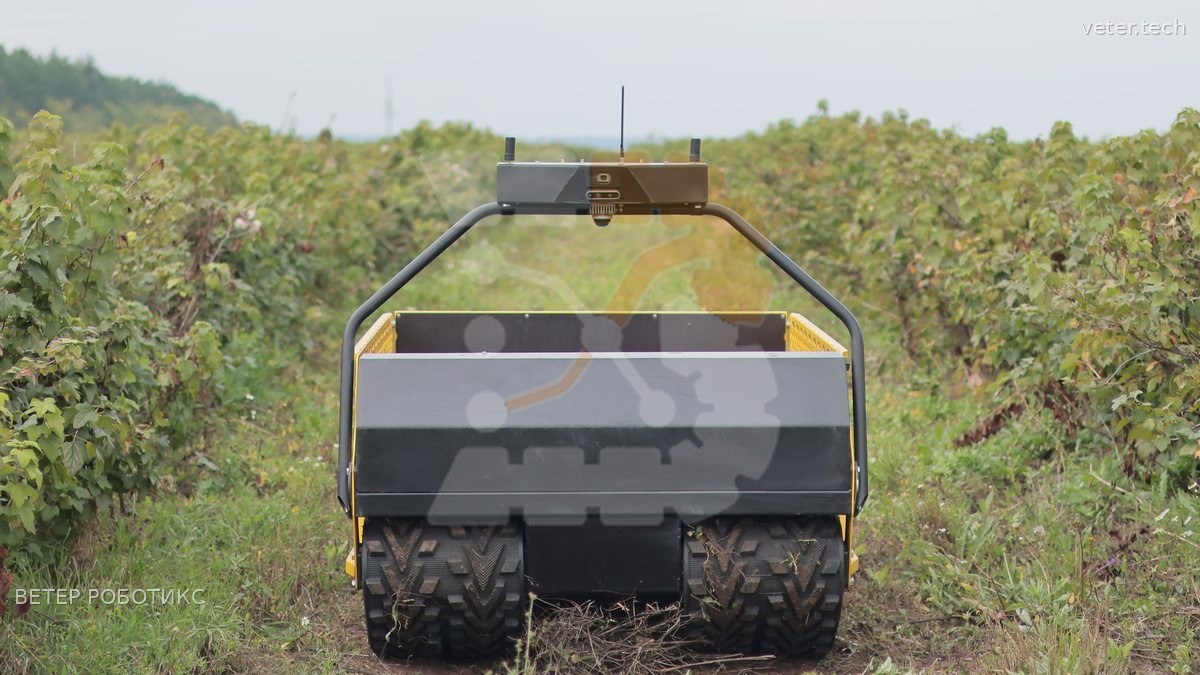
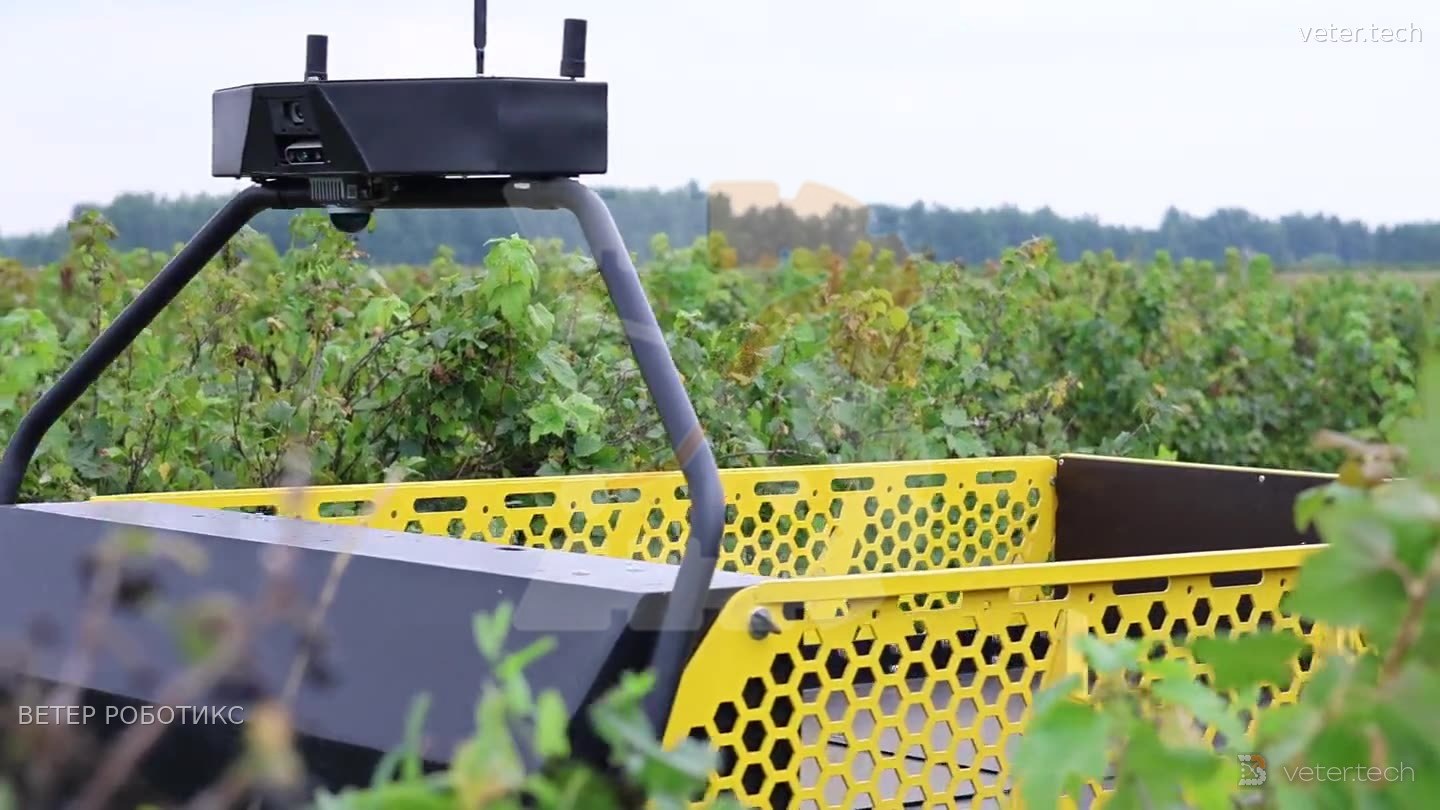
You would think a ground robot's worst enemies are stairs, mud and a dead battery. In practice, what stops an inspection machine at an industrial site most often is an ordinary closed door. That story and the rest of the week's news - in our roundup of the ground robotics industry. According to The Robot Report, ANYbotics, together with dormakaba and LEGIC, has taught the four-legged ANYmal robot to pass through doors that open only with an electronic access badge. Doors like these stand at power plants, in chemical plants and at mines - you don't get in without a badge. Now the robot gets access like an employee: the door opens for it under the same rules and with the same entry in the log, and the building needs no modifications. The solution was tested at an operating facility, and it can now be added to any ANYmal machine already in service. The point is simple: an equipment inspection round only counts if the machine reaches every unit, and a closed door was the final barrier. The second story comes from the labs. Tech Xplore Robotics writes that engineers at UCLA and the University of Michigan have built an experimental frog-like robot on elastic rods that bend and twist. Across six different types of terrain, this design proved faster than traditional rigid legs. Farm use is still a long way off - this is locomotion research. But the direction is intriguing: softness instead of rigidity could come in handy where rigid legs slip, for example on loose, uneven ground. The week's third topic is reliability. The Robot Report is announcing a panel discussion by engineers from WiBotic, Burro and Nextpower at an industry conference: they will dig into why outdoor robots break down. The causes are familiar to anyone who runs equipment: temperature swings, water, dust-clogged connectors, vibration. A machine that drives beautifully around a lab fails in completely different ways outdoors. And fourth - tools for developers. On the ROS Discourse forum, where robot builders talk shop, Mission Canvas was presented: a program in which a machine's individual skills are assembled into a coherent route - where to go, what to do there and where to head next. It's a tool for the people who configure robots; a machine's owner doesn't need it directly, but it's tools like these that will one day let a robot do all this on its own. Where does VETER ROBOTICS fit in? The VETER TEGU tracked platform hauls the raspberry harvest along the rows of a berry farm - the same hauling along a known route that foreign field machines do. And the VETER SCINK tracked platform with a snow blower attachment works as a snow removal robot: it clears snow on roads and walkways.